
Master Data Management: create measurable business value from your Master Data

Successful Master Data Management programs go well beyond technology selection and implementation. They require a business-driven operating model, effective governance, organizational alignment, and the right data management capabilities. Apgar supports you by delivering end-to-end master data management (MDM) services, from strategy and roadmap definition through operating model design, platform implementation, and ongoing optimization.
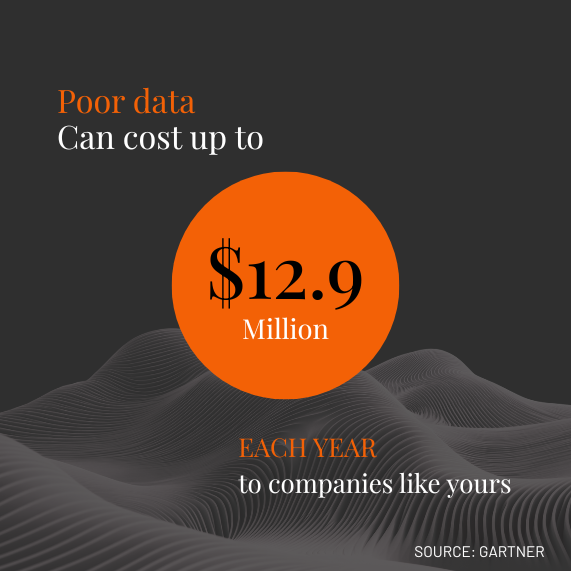
Poor data cost you.
Organisations without a robust MDM implementation struggle with challenges such as:
- Duplicated and inconsistent data across multiple systems.
- Strategic decisions based on flawed information.
- Difficulty adhering to regulatory requirements (e.g., GDPR).
- Wasted time on manual data reconciliation.
- Lack of a single customer view (SCV) across all channels.
- Conflicting reporting between departments.
How Apgar helps your MDM program achieve its business goals.

Building the vision and blueprint for your MDM program
Before selecting an MDM platform, you need a clear vision and practical blueprint for success. APGAR works with you to define the strategy, governance, operating model, architecture, and roadmap that align your investment with business objectives and guide every decision that follows.


Master Data Management Resources.

“MDM remains a complex undertaking that requires the active and continued engagement of stakeholders across your organization. Apgar helps you start and navigate the journey and deliver value every step of the way.”
Trusted to deliver MDM.












Explore our resources.
FAQ
What is Master Data Management (MDM)?
Master Data Management (MDM) is a business program that combines governance, operating models, processes, and technology to create trusted, consistent master data that can be shared across the enterprise.
How do you implement a successful Master Data Management program?
Successful MDM programs begin with a clear vision and practical blueprint. This means defining the strategy, governance, operating model, architecture, and roadmap before selecting and implementing the platform that best fits your requirements and the way your business operates. Once implemented, the program must be supported, assessed, and continuously improved to deliver ongoing business value.
How do you choose the right MDM platform?
The right MDM platform is one that supports your use cases, data domains, governance approach, and existing enterprise architecture. A structured, independent evaluation helps you clarify your requirements, compare the available options, and select the platform that best fits your business and long-term objectives.
What are the key success factors for an MDM program?
Successful MDM programs require more than the right technology. They depend on continued executive sponsorship, business ownership, effective governance, organizational alignment, user adoption, and active stakeholder engagement throughout the program’s lifecycle.
How does Master Data Management support AI initiatives?
AI models and agents need more than access to data. They need trusted information about the business entities, relationships, rules, and definitions behind that data. An enterprise context layer provides this understanding. MDM programs contribute to that context by providing trusted, governed master data for the organization’s core business entities and relationships.
What business outcomes can organizations expect from MDM?
Successful MDM programs create value across the business. In operations, accurate master data for customers, suppliers, locations, and assets helps orders reach the correct destination, procurement teams work with approved suppliers, and service teams identify the right installed equipment. In finance and analytics, governed hierarchies (and alternate hierarchies) allow financial results to be analyzed by legal entity, management structure, geography, product line, or any other financial view without manually reconciling conflicting data. During growth and transformation, consistent master data makes it easier to launch products, enter markets, onboard customers and suppliers, and integrate acquired businesses. For risk and compliance, governed records, ownership, lineage, and change histories provide the trusted, auditable information required for regulatory reporting and oversight.

Start your MDM strategy with our experts
Bruno BILLY President APGAR North America, MDM Expert