
Data and AI for Transportation & Logistics

Transportation and Logistics organizations must manage increasingly complex networks while responding to volatile demand, rising operating costs, evolving customer expectations and growing sustainability requirements. Yet critical information is often fragmented across transport, warehouse, fleet, customer and partner systems, limiting end-to-end visibility and slowing operational decisions. APGAR helps Transportation and Logistics organizations connect, govern and contextualize their critical data. By creating trusted and reusable data foundations, APGAR enables greater operational visibility, more reliable planning and scalable AI adoption across the logistics value chain.
Transforming Transportation and Logistics through trusted data .
- End-to-End visibility across complex networks
- Operational Efficiency and cost control
- Resilience in a volatile Business Environment
- Sustainable and intelligent logisitics

End-to-End visibility across complex networks
Transportation and Logistics organizations operate across increasingly interconnected networks involving carriers, warehouses, hubs, suppliers, customers and technology partners.
However, shipment, order, inventory and asset information is often distributed across multiple platforms and organizations.
Creating a trusted and connected view of operations helps teams monitor flows, identify disruptions and coordinate decisions across the logistics value chain.



Building Trusted Data foundations for Intelligent Logistics.
- Building Trusted Data foundations for Intelligent Logistics
- Govern Customers, Partners, Assets and Locations
- Connect Transportation, Warehouse and Enterprise
- Operationalize Responsible AI for Underwriting and Claims
- Prepare Logistics Data for AI scale

Create a trusted view of Logistics Oerations
Transportation and Logistics organizations often lack a consistent view of orders, shipments, routes, assets, locations, customers and logistics partners.
APGAR helps identify critical data domains, define common business terms and ownership, and establish governance and data quality controls across operational and enterprise systems.
This creates a trusted information foundation that can support:
• End-to-end operational visibility
• Shipment and order tracking
• Exception management
• Customer communications
• Operational reporting
• Analytics and AI use cases
From fragmented logistics data to End-to-end visibility
Disconneted Data across Transportation and logistics systems
Transportation and Logistics data is often distributed across transportation management systems, warehouse management systems, fleet platforms, ERP solutions, customer applications, carrier portals, local tools and spreadsheets.
Different systems may use inconsistent identifiers, definitions and data models for shipments, orders, locations, vehicles, customers and logistics partners.
This fragmentation prevents organizations from establishing a complete and reliable view of their operations.
The impact of Disconnected Logisitics Data
Without connected and trusted data, Transportation and Logistics organizations struggle to monitor operations, coordinate partners and respond to disruptions.
- Limited end-to-end shipment visibility
- Inconsistent customer and partner information
- Manual reconciliation between systems
- Slower exception management
- Reduced planning accuracy
- Inefficient route and capacity utilization
- Difficulty monitoring asset and fleet performance
- Inconsistent customer communications
- Limited confidence in analytics and AI outputs
- Increased reporting and compliance effort
Critical Data for Transportation and Logistics
Building a trusted Transportation and Logistics data foundation requires organizations to connect and govern critical information across the logistics value chain.
The critical data involved includes:
- Customer and account data
- Supplier and logistics partner data
- Carrier data
- Order and shipment data
- Route and delivery data
- Asset, fleet and vehicle data
- Driver and workforce reference data
- Warehouse and inventory data
- Product and packaging data
- Location, site and address data
- Rate, tariff and contract data
- Maintenance and reliability data
- Tracking and event data
- Sustainability and emissions data
- Regulatory and compliance data
- Master and reference data
From Fragmented Logistics Data to End-to-End Visibility.

Disconnected Data Across Transportation and Logistics Systems
Transportation and Logistics data is often distributed across transportation management systems, warehouse management systems, fleet platforms, ERP solutions, customer applications, carrier portals, local tools and spreadsheets.
Different systems may use inconsistent identifiers, definitions and data models for shipments, orders, locations, vehicles, customers and logistics partners.
This fragmentation prevents organizations from establishing a complete and reliable view of their operations.

Building Trusted Data Foundations for Intelligent Logistics.
Create a Trusted View of Logistics Operations
Transportation and Logistics organizations often lack a consistent view of orders, shipments, routes, assets, locations, customers and logistics partners.
APGAR helps identify critical data domains, define common business terms and ownership, and establish governance and data quality controls across operational and enterprise systems.
This creates a trusted information foundation that can support:
• End-to-end operational visibility
• Shipment and order tracking
• Exception management
• Customer communications
• Operational reporting
• Analytics and AI use cases

Govern Customers, Partners, Assets and Locations
Inconsistent customer, carrier, supplier, asset and location information creates duplication, manual corrections and unreliable operational reporting.
APGAR helps Transportation and Logistics organizations govern and harmonize their most critical master and reference data domains.
This includes:
- Customers and accounts
- Carriers and logistics partners
- Suppliers
- Vehicles and logistics assets
- Drivers and workforce reference data
- Warehouses, hubs and operational sites
- Addresses and geographic locations
- Routes, services and delivery zones
- Rates, tariffs and contractual references
Clear ownership, shared definitions and measurable quality rules improve the reliability and reuse of this information across operations.
Connect Transportation, Warehouse and Enterprise
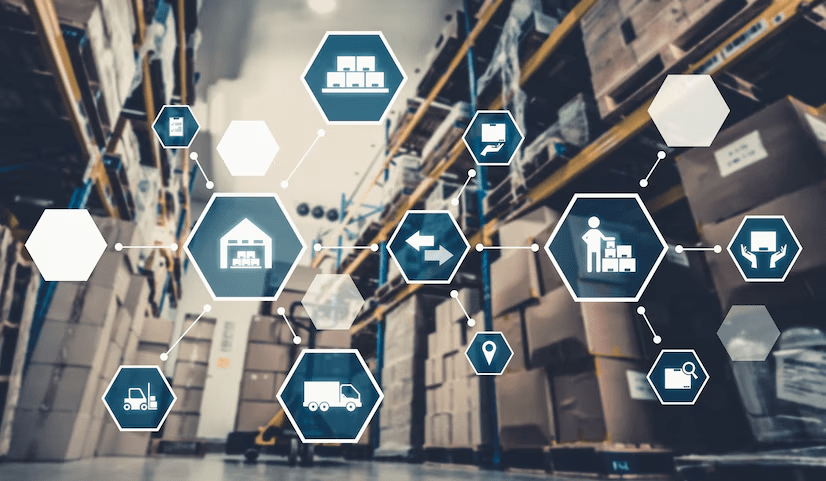
Transportation, warehouse, finance and customer systems often operate with different data structures and update cycles.
APGAR helps connect operational and enterprise environments through common definitions, governed integration flows, metadata and reusable data products.
This approach can bring together:
- Transportation data
- Warehouse and inventory data
- Order and shipment data
- Fleet and maintenance data
- Finance and billing data
- Customer service data
- Partner and carrier data
- Tracking and event information
A connected foundation improves consistency between operational execution, customer service, reporting and decision-making.

Operationalize Responsible AI for Underwriting and Claims
Insurance organizations need to modernize their data and AI capabilities without disrupting core policy, claims and finance operations.
Skills gaps, competing priorities and complex vendor landscapes can make it difficult to move from isolated proofs of concept to governed, scalable production solutions.
APGAR provides a pragmatic roadmap from priority use cases to governed production delivery.
APGAR helps insurers:
- Define the target data and AI architecture
- Assess platform and integration options
- Establish operating-model responsibilities
- Embed data governance
- Integrate security requirements
- Establish model-risk controls
- Support change management
- Protect the continuity of core operations
Expected indicators include a clearer path from proof of concept to production, shorter delivery cycles, stronger adoption by business and technology teams, and more consistent governance across data and AI initiatives.

Prepare Logistics Data for AI at Scale
AI initiatives in Transportation and Logistics depend on reliable operational context, consistent definitions and reusable historical data.
Without these foundations, forecasting, route optimization, predictive maintenance and intelligent assistance can remain limited to isolated experiments.
APGAR helps organizations structure and govern the data required for use cases such as:
- Demand and volume forecasting
- Route and network optimization
- Capacity planning
- Predictive fleet maintenance
- Delivery-time prediction
- Exception detection
- Intelligent operational assistants
- Customer service automation
- Sustainability and emissions analysis
APGAR connects data strategy, governance, Master Data Management, data quality, metadata and AI enablement within a pragmatic transformation roadmap.
Turning Logistics Data into Operational Value.
Operational Performance
Trusted and connected logistics data can help organizations support:
- Greater end-to-end operational visibility
- Faster access to reliable information
- More efficient exception management
- Reduced manual reconciliation
- More consistent shipment and order tracking
- Better route, capacity and asset planning
- Improved coordination between operational teams
- More reliable operational reporting
- Stronger data foundations for automation
Customer Experience and AI Readiness
Governed and reusable Transportation and Logistics data can support:
- More consistent customer communications
- Better shipment and delivery visibility
- Faster responses to operational disruptions
- Improved collaboration with carriers and partners
- Greater confidence in analytics
- More reliable forecasting
- Scalable foundations for AI use cases
- Better reuse of operational data assets
- More consistent sustainability and compliance reporting
Transportation and Logistics Data and AI: Frequently Asked Questions
What are the main data challenges facing Transportation and Logisitics organizations ?
Transportation and Logistics data is often fragmented across transportation, warehouse, fleet, customer, finance and partner systems. Different platforms may use inconsistent identifiers and definitions for shipments, orders, customers, locations and assets. Establishing common definitions, ownership, quality controls and governed integration flows helps organizations create a more reliable view of their logistics operations.
How can logisitics compagnies improve end-to-end shipment visibility ?
End-to-end visibility requires reliable connections between order, shipment, carrier, route, location, tracking and delivery data. Organizations also need consistent identifiers and event definitions across internal systems and external partners. APGAR helps structure these data foundations so operational teams can access more consistent and contextualized shipment information.
Which master data domains should Transportation and Logisitic organizations prioritize ?
Priority domains can include customers, carriers, logistics partners, suppliers, assets, vehicles, drivers, warehouses, hubs, addresses, routes, services and delivery zones. The right priorities depend on the organization’s operational model and transformation objectives. Clear ownership, shared definitions and measurable quality rules support the consistent reuse of this information.
How can trusted data improve transportation planning ?
Transportation planning depends on reliable information about demand, orders, shipments, routes, assets, capacity, locations and operational constraints. Connecting these data domains helps planning teams work from more consistent information. Trusted historical and contextual data can also provide a stronger foundation for forecasting, optimization and operational decision support.
What data foundations are required before deploying AI in logistics ?
AI use cases require consistent operational definitions, reliable historical data, trusted identifiers, contextual metadata and measurable data quality controls. Organizations also need clear ownership and governance for the data used by AI models. These foundations support use cases such as forecasting, route optimization, predictive maintenance, delivery-time prediction and intelligent operational assistance.
How can Transportation and Logisitcs companies connect data across operational systems ?
Organizations can connect operational data by defining common business concepts, mapping critical data flows and establishing governed integration patterns between transportation, warehouse, fleet, ERP and customer systems. Metadata, lineage and quality controls help teams understand where information originates, how it changes and whether it is reliable enough for operational and analytical use.
How can data support more sustainable logistics operations ?
Sustainability analysis requires consistent information about shipments, routes, vehicles, fuel or energy use, facilities, carriers and logistics activities. Structuring and governing these data domains can improve the reliability of environmental reporting and provide a foundation for analyzing operational choices. The relevant indicators and calculation methods must be aligned with the organization’s reporting framework.
How can logistics compagnies improve data quality and governance ?
Organizations can improve data quality by identifying critical data elements, defining clear ownership and applying measurable controls to key operational domains. Governance should be integrated into the processes and systems that create, update and consume logistics data. APGAR helps organizations establish shared definitions, ownership models, quality rules, metadata and issue-management practices.
Turn Transportation and Logistics Data into Measurable Value
Connect your logistics data to drive efficiency and AI adoption.