
Data and AI for Food & Beverage
Food & Beverage companies operate in an environment where margins are under pressure, supply chains are volatile, consumer expectations are rising and retailer requirements are increasingly demanding. Large groups also face the added complexity of separate brand, production and market companies, which makes product data hard to keep consistent, complete and usable at every step. Market companies must then meet strict retailer requirements for complete, accurate and timely product information. APGAR helps Food & Beverage companies turn these fragmented data assets into trusted, governed and reusable business foundations that connect brand strategy, production reality and market execution.
Transforming Food & Beverage Through Trusted Data.
- Margin Pressure in a Volatile, Price-Sensitive Market
- Food Safety, Quality and Traceability Across Complex Supply Chains
- Brand-to-Market Complexity Across Global Organizations
- Growing Complexity of Multi-Channel Product Portfolios

Margin Pressure in a Volatile, Price-Sensitive Market
Food & Beverage companies face strong margin pressure driven by raw material volatility, energy costs, logistics constraints, retailer negotiation power and consumer price sensitivity.
Balancing these pressures while protecting profitability requires accurate, timely visibility into costs, demand and commercial performance across the full value chain, from sourcing and production through to retail execution.

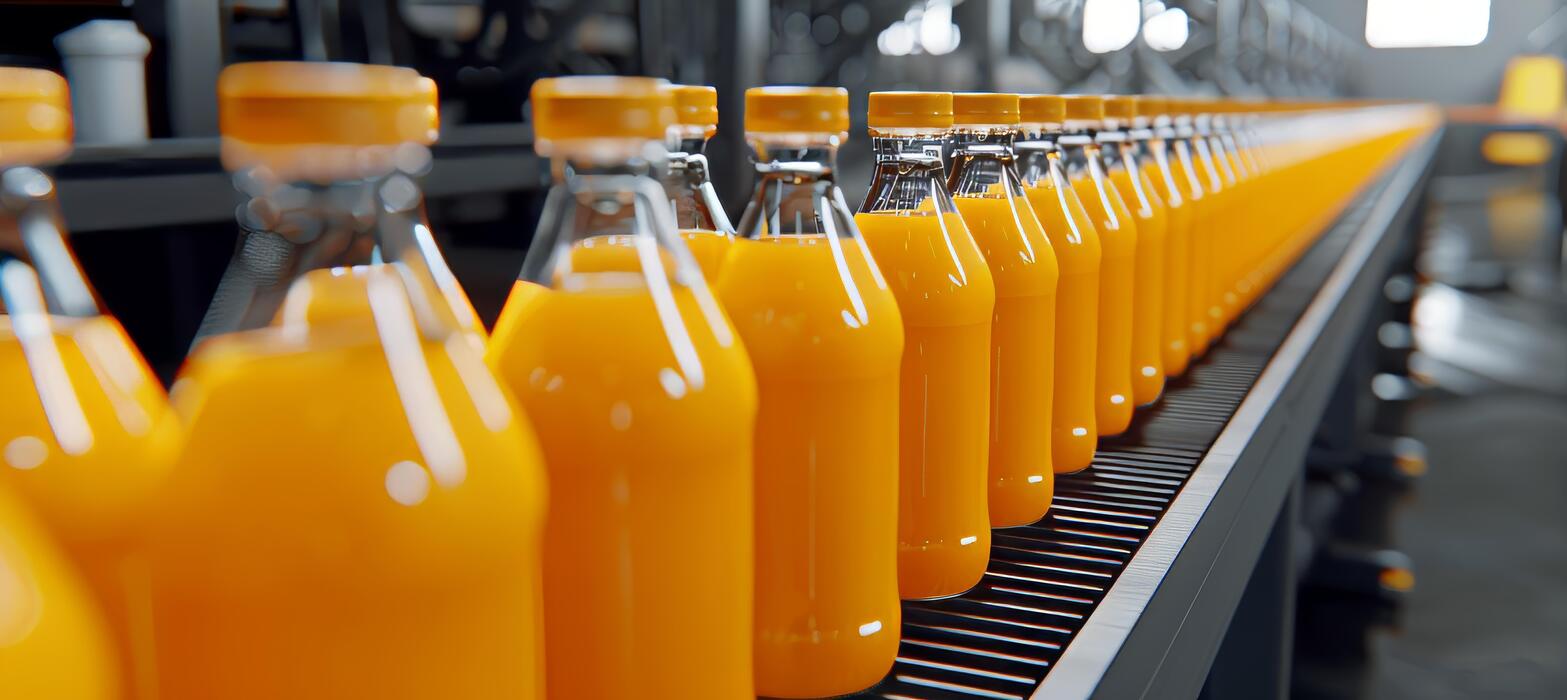
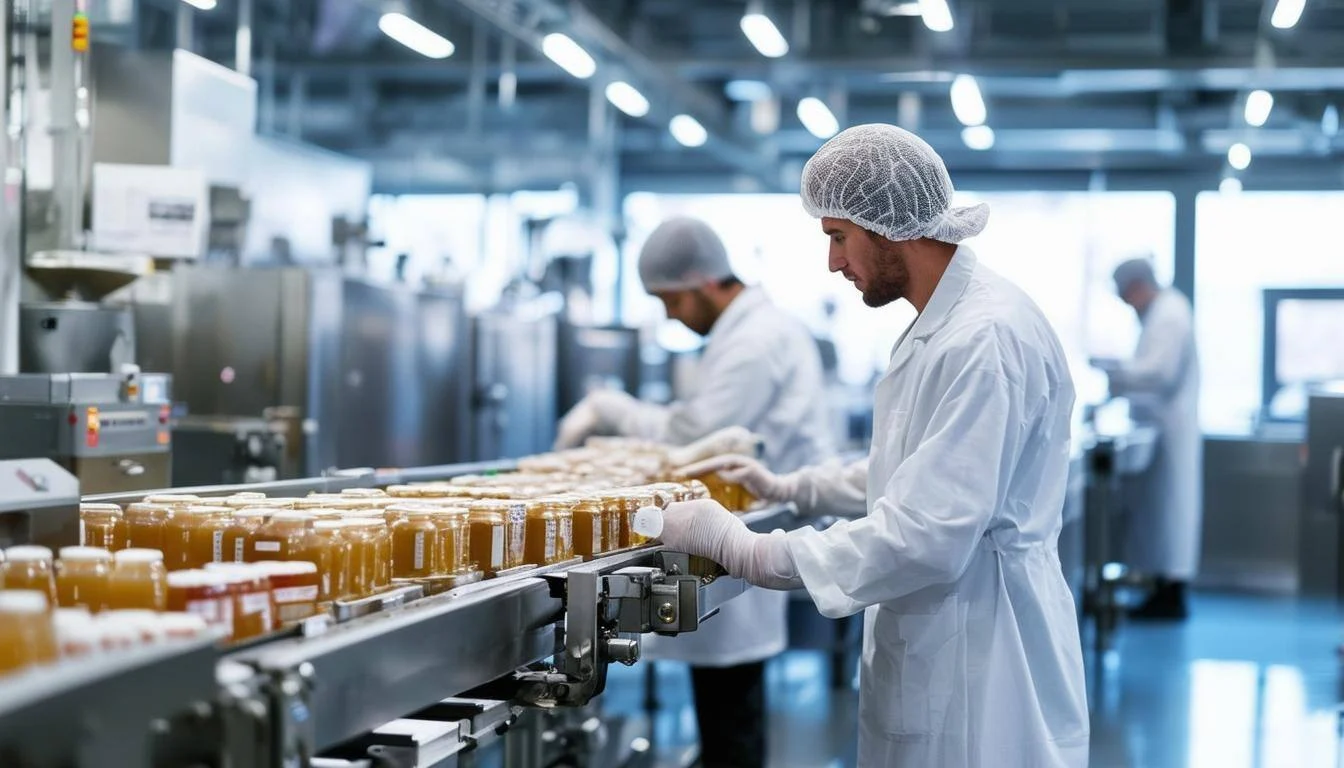
From Fragmented Product Data to Trusted Market Execution.
- Fragmented Product Data
- Business and Retail Impact
- Critical Food & Beverage Data
- Critical Energy and Utilities Data
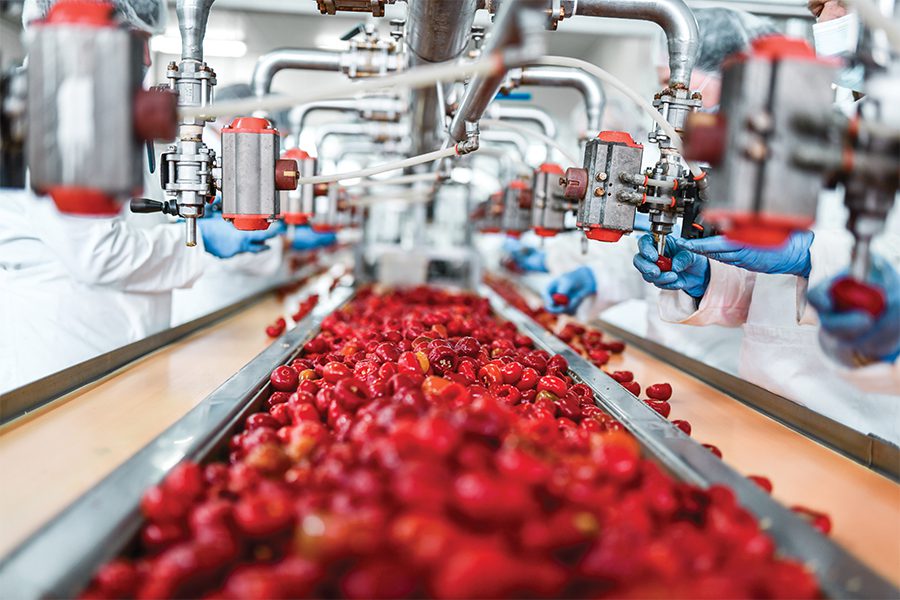
Fragmented Product Data Across Brand, Production and Market Entities
Product, recipe, ingredient, packaging, supplier, grower, plant, quality, regulatory, customer, retailer, assortment and pricing data are often fragmented across ERP, PLM, MES, CRM, procurement, supply chain tools, PIM, data pools, local systems and spreadsheets.
In large, decentralized groups, this fragmentation can be reinforced by acquisitions, heterogeneous local ERP environments, different data models and identifiers, and data ownership split across Group and local functions.



Connect Brand Strategy, Production Reality and Market Execution
Large Food & Beverage groups operate with a separation between brand or product companies, production entities and market companies.
This structure creates complexity across product definition, internal selling, product localization and local assortment management.
APGAR helps structure the critical data foundations required to connect brand strategy, production reality, market execution and retailer requirements.
APGAR also helps clarify the handover between brand or product companies and market companies around:
- Product definition
- Product lifecycle
- Internal selling
- Product localization
- Local activation
- Retailer requirements
Govern Product, Customer, Retailer and Assortment Data at Scale
Product definitions can vary between global, regional and local levels, creating inconsistencies across SKUs, packaging, labels, descriptions, claims, allergens, nutritional information, regulatory attributes and commercial hierarchies.
Similar challenges can arise across other master data domains when Group-wide standards and ownership need to coexist with local business and market requirements.
APGAR supports the design of product, customer, retailer, assortment and commercial data governance across global, regional and local levels.
APGAR helps clarify common Group-wide standards and ownership while identifying where local requirements need to be preserved.
APGAR also strengthens Master Data Management and product data management capabilities around:
- SKUs
- Recipes
- Ingredients
- Packaging
- Labels
- Quality grades
- Regulatory attributes
- Commercial hierarchies
- Assortments
Improve Retailer Catalog and Data Pool Readiness
Market companies often struggle to provide retailers with complete, accurate and timely product information through the appropriate data pools, product catalogs and retailer-specific templates.
APGAR helps market companies improve product catalog and data pool readiness for large retailers, reducing manual rework, delays and data quality issues.
Manage Private-Label and White-Label Product Complexity
The growth of private-label and white-label models increases complexity, as companies must manage retailer-specific product versions, quality grades, recipes, packaging, margins, prices and service levels.
APGAR supports private-label and white-label data management by clarifying:
- Product variants
- Retailer-specific requirements
- Quality levels
- Recipes
- Packaging specifications
- Margin logic
- Price positioning
- Service levels
APGAR bridges business, IT, data, product, sales, supply chain, quality and market teams to help organizations move from fragmented product data processes to governed, scalable and reusable data capabilities.
Turning Food & Beverage Data into Concrete Use Cases.
Agriculture, Production and AI
APGAR helps structure the trusted data foundations required to support use cases such as:
- Prediction of fruit season start dates to anticipate HR ramp-up, training, operational readiness and logistics preparation
- Disease prediction for fruits and trees to optimize phytosanitary treatments, reduce unnecessary applications and support healthier products
- Harvest request optimization based on demand forecasts, production maturity and commercial needs
- AI readiness assessments for forecasting, disease prediction, demand planning, quality prediction and commercial optimization
Product, Market and Retail Execution
APGAR supports Food & Beverage organizations across use cases such as:
- Product master data harmonization between brand or product companies, production companies and market companies
- Product lifecycle governance from product creation to production, internal selling, market activation and retailer listing
- Product assortment and catalog data management for market companies selling to large retailers
- Retailer data pool readiness, including product information completeness, quality and compliance
- Private-label and white-label product data management
- Packaging, labeling, allergen, nutritional and regulatory data governance
FAQ
What are the main data challenges facing Food & Beverage organizations today?
Product, recipe, ingredient, packaging, supplier, grower, plant, quality, regulatory, customer, retailer, assortment and pricing data are often fragmented across ERP, PLM, MES, CRM, procurement, supply chain tools, PIM, data pools, local systems and spreadsheets.
How does incomplete or inconsistent product data affect retailer execution in Food & Beverage?
When product data is incomplete or inconsistent, it delays retailer listing, creates operational inefficiencies, weakens commercial execution and increases compliance risk.
What governance model is required to align brand, production and market companies in Food & Beverage?
Food & Beverage organizations require a governance model that clarifies product definition, ownership and lifecycle across brand or product companies, production entities and market companies. This model should be supported by pragmatic governance and ownership structures across sales, supply chain, quality, regulatory, IT and data teams.
Which master data domains should Food & Beverage organizations prioritize?
Priority domains include SKU, recipe, ingredient, packaging, label, quality grade, regulatory attributes, commercial hierarchy and assortment data, alongside customer and retailer data.
What data foundations are required before scaling AI use cases in Food & Beverage?
Historical data, contextual data, product attributes, business rules and operational feedback need to be sufficiently structured, governed and reusable to support forecasting, disease prediction, demand planning, quality prediction and commercial optimization.